


ENDODONTICS
WHAT IS ENDODONTICS?
Endodontics is a dental procedure performed to treat the interior of a tooth, specifically the dental pulp, which is the soft tissue in the center of the tooth containing nerves, blood vessels, and connective tissue. This procedure is also known as «root canal treatment» or «dental endodontics».
The need for endodontics arises when the dental pulp becomes inflamed or infected, usually due to advanced tooth decay, a dental fracture, trauma, or bacterial infection. Symptoms of pulp inflammation or infection may include intense pain, sensitivity to heat or cold, swelling in the surrounding area, and, in some cases, dental abscesses.
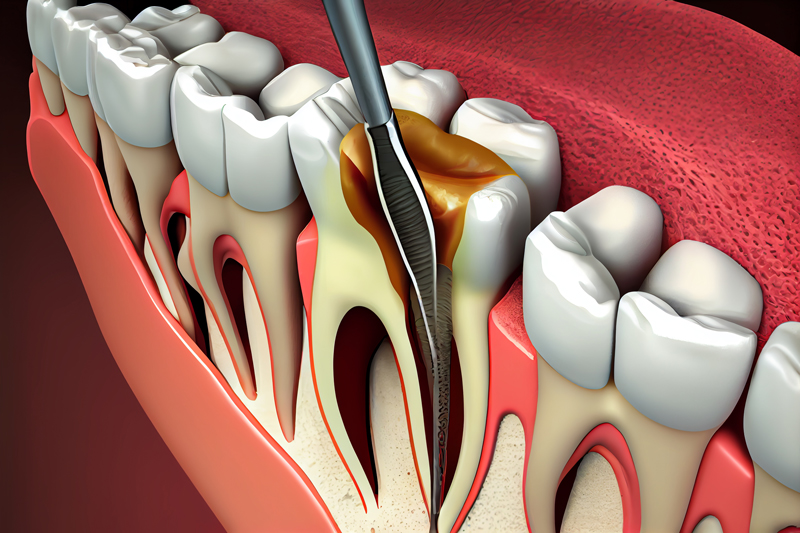
The endodontic process generally follows these steps:
-
- Assessment and Diagnosis: The dentist conducts a clinical, radiographic, and sometimes special tests to determine the need for endodontics.
- Anesthesia: Before starting the procedure, local anesthesia is administered to numb the area and ensure the patient’s comfort during treatment.
- Access to the Pulp: The dentist creates an opening in the crown of the tooth to access the dental pulp. In some cases, it may be necessary to remove part of the dental enamel to facilitate access.
- Removal of the Pulp: The inflamed or infected dental pulp is removed. The inside of the tooth is cleaned, shaped, and disinfected.
- Filling and Sealing: Once the pulp is removed, the resulting space is filled with a filling material, such as gutta-percha, to seal the root canal and prevent future infections. The opening in the crown is sealed with a dental filling.
- Restoration: After endodontics, it is common for the treated tooth to weaken. The placement of a dental crown may be recommended to restore the strength and function of the tooth.
Endodontics is an effective procedure that allows saving teeth that might otherwise require extraction. Most patients experience pain relief after endodontics and can retain their treated tooth for many years with proper dental care.
5 SIGNS YOU NEED ENDODONTIC TREATMENT
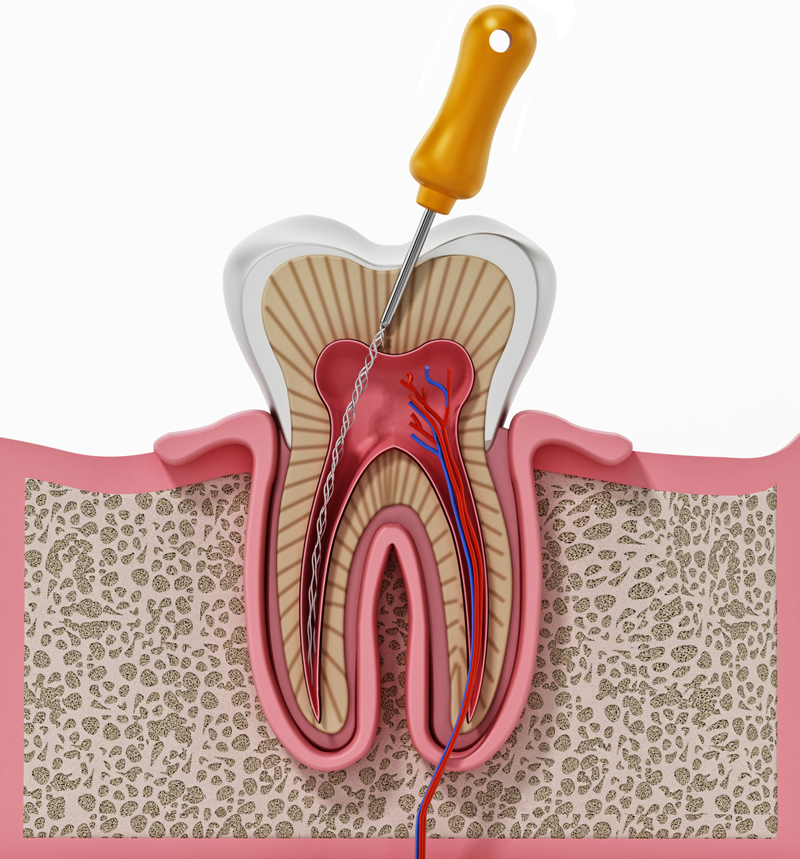
The need for endodontic treatment, also known as root canal treatment, is usually associated with issues in the dental pulp, such as inflammation or infection. Here are five signs that might indicate you need endodontic treatment:
-
- Persistent Pain: Persistent dental pain, especially when biting or applying pressure on the tooth, can be a sign of issues in the dental pulp. The pain can vary in intensity, from a dull ache to sharp pain.
- Extreme Sensitivity: Extreme dental sensitivity to heat or cold that persists even after the stimulus is removed may indicate an infection or inflammation in the pulp.
- Swelling in the Gums: The presence of swelling or a bump on the gums near a specific tooth can be a sign of an infection in the pulp. In some cases, a dental abscess may form.
- Discoloration of the Tooth: A change in color in a specific tooth, such as darkening, can be an indicator that the tooth’s pulp is damaged or dead.
- Recurrent Toothache: If you experience recurrent toothaches that are not relieved with painkillers and persist over time, it could be a sign of a deeper issue in the dental pulp.
It’s important to note that these signs don’t always guarantee the need for endodontic treatment, as they may have other explanations. However, if you experience any of these symptoms, it’s crucial to consult your dentist. Only a dental health professional can conduct a comprehensive evaluation and determine if endodontic treatment is necessary to address issues in the dental pulp. Early detection and proper treatment can help save the tooth and prevent further complications.